Cover: AI-generated conceptual illustration of generic phones, not photographs or verified renders of the products.
The Pixel 11 Pro XL and iPhone 18 Pro Max ask you to choose more than a camera. Google’s phone offers the Pixel approach to Android and computational photo tools; Apple’s offers physical aperture control and its professional capture formats inside iOS. Both cost enough that the software you use every day should help settle the decision.
This comparison uses the Pixel 11 Pro XL, Google’s large non-folding flagship. It does not describe the base Pixel 11 or the smaller Pro, and it compares against the released iPhone 18 Pro Max rather than the standard iPhone 18.
About this comparison: Updated October 21, 2026. This is a buying guide based on published specifications and manufacturer documentation, not hands-on testing. Recommendations reflect the documented features; we have not measured comparative speed, endurance or photo quality. Prices below are US launch prices before tax, without trade-ins or carrier credits.
A practical specification comparison
On a narrow screen, swipe or scroll the table horizontally to see both phones.
| Feature | 11 Pro XL | 18 Pro Max |
|---|---|---|
| US launch price | $1,299 | $1,299 |
| Display | 6.8-inch OLED, 1–120Hz | 6.9-inch OLED, up to 120Hz |
| Processor | Google Tensor G6 | Apple A20 Pro |
| Main camera | 50MP, fixed aperture | 48MP, variable aperture |
| Native telephoto | 5x | 4x |
| Software at launch | Android 17 | iOS 27 |
| Base storage | 256GB | 256GB |
| Maximum storage | 1TB | 2TB |
| Magnetic charging | Pixelsnap, up to 25W | MagSafe/Qi2, up to 25W |
Sources: Google’s technical specifications, Apple’s technical specifications, Apple’s US launch pricing and Pixel US launch reporting. Higher storage and compatible charging accessories cost extra.
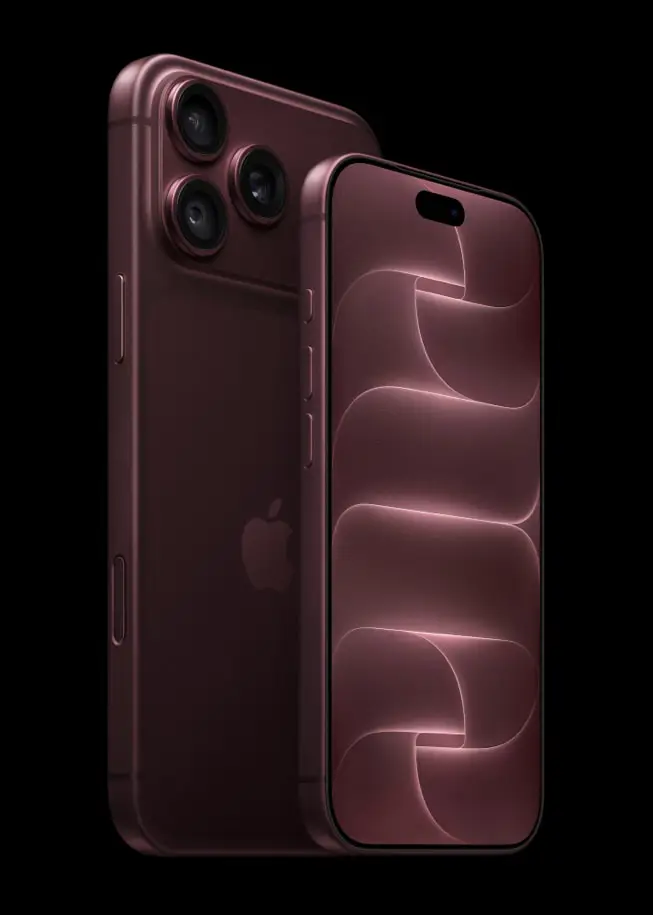
Rear camera layouts
Compare the rear camera assemblies in these official product images. Views are not to scale; device pictures show the hardware layout rather than comparative photo quality. Tap either image to enlarge it.
Pixel 11 Pro / Pro XL — rear camera layout
Google’s Pro-family image shows the shared triple-camera bar in four colours. The Pro XL has a 50MP main, 48MP ultrawide and 48MP native 5x telephoto camera. Product image: Google.
iPhone 18 Pro Max — rear camera layout
The rear-facing Pro Max is shown with the smaller Pro’s front display. Its triple-camera system includes a variable-aperture main camera and a native 4x telephoto. Product image: Apple.
Choose a camera workflow before choosing a camera winner
Pixel combines a 50MP main camera with a 48MP ultrawide and a 48MP 5x telephoto camera. Its tools include Add Me and edits through Ask Photos. Those are reasons to investigate Pixel if you want help composing or changing images, but an editing feature is a separate question from the detail the camera captured.
Apple’s main camera changes its physical aperture. That gives you another way to balance light and depth of field before taking the photo. For example, a group with people at different distances may benefit from a narrower aperture when the available light allows it. The setting changes the exposure tradeoff; it is not a guarantee that faces will always look sharper.
For distant subjects, compare Pixel’s native 5x lens with Apple’s native 4x framing. Apple’s 8x optical-quality option is not a separate 8x lens, and Pixel’s 120x Pro Zoom is not 120x optical magnification. At large zoom settings, processing becomes part of the result. We have no shared photo samples that establish a winner for children, pets, portraits or night scenes.
Video creators should check the complete editing route
Apple lists ProRes RAW and Apple Log 2, alongside external ProRes recording in supported modes. These matter to a creator whose editor, storage and delivery process use those formats. If you only send short clips to friends, the professional format list may have little effect on your buying decision.
Google lists Video Boost, Night Sight Video and its own stabilisation tools. Check which processing steps depend on a connection and whether the result reaches the editor you use in the form you expect. Test a representative clip through capture, transfer and export; a supported recording mode alone does not describe the whole job.
Google and Apple AI: verify the task, language and account
Google positions Tensor G6 and Gemini as part of the Pixel 11 experience. Apple’s current Siri AI page describes a rollout and possible usage limits. Neither name tells you whether a particular request will work in your language, region, apps or subscription tier.
Use a short demonstration task when comparing them: find a specific photo, draft a message from supplied details, or interpret what is on the screen. Check the answer as well as the number of taps. These assistants can be useful without being reliable enough to accept every output without review.
If you pay for a bundled cloud or AI plan, include the continuing price after any trial. Avoid assigning a permanent saving to a temporary inclusion. On-device processing also should not be assumed to describe every request made through an assistant.
Battery figures describe different workloads
Google lists a 5,115mAh typical battery and a 30-plus-hour battery-life claim. Apple lists up to 45 hours of video playback for the eSIM-only Pro Max variant. Those figures use different methods and cannot be turned into a percentage advantage for either phone. Brightness, signal conditions, navigation and recording change endurance.
Apple’s wired claim is up to 50% in around 15 minutes with a compatible 60W-capable adapter supporting Adjustable Voltage Supply (AVS). Google’s XL claim is up to 75% in about 30 minutes with a 45W charger supporting Programmable Power Supply (PPS), or higher. They stop at different charge levels. Both list magnetic wireless charging up to 25W, but charger compatibility and operating conditions still matter.
The processors also need workload-specific evidence. A20 Pro and Tensor G6 specifications are not a common gaming or export benchmark. We have not measured either here, so this guide does not award a speed or sustained-performance win.
The platform decision can outweigh the hardware
Google’s published update policy gives Pixel 11 Pro XL seven years of OS and security updates from its first US Store availability. That is a clear planning window; it does not guarantee every future feature. Apple’s pages cited here do not give an equivalent seven-year promise for this model, so we do not assume an identical commitment.
Make a migration list before changing systems: authenticator accounts, passwords, messages, shared photo libraries, paid apps and wearable features. Confirm that each essential task works on the destination phone. A familiar browser or email app can move easily while a device-specific workflow needs replacement.
Which phone makes more sense?
Choose Pixel 11 Pro XL if you prefer Android and want Google’s integrated photo and assistant tools. Its native 5x framing and published support period are useful documented reasons to consider it.
Choose iPhone 18 Pro Max if aperture control, a compatible Apple video workflow or staying in iOS matters more. Its optional 2TB tier can help buyers with a defined local-storage need, at an additional cost.
With matching base launch prices, neither wins on the sticker alone. Compare the same storage capacity and the services and accessories you actually need. If the platform already suits you, a feature you will use repeatedly is a stronger reason to switch than a headline zoom number.
Sources
- The Pixel 11 series: Australian launch announcement — Google
- Pixel 11 Pro and Pro XL technical specifications — Google
- Pixel software update policy — Google
- Pixel 11 launch reporting and US prices — Android Central
- Apple debuts iPhone 18 Pro and iPhone 18 Pro Max — Apple
- iPhone 18 Pro and Pro Max technical specifications — Apple
- Apple Intelligence and Siri availability — Apple