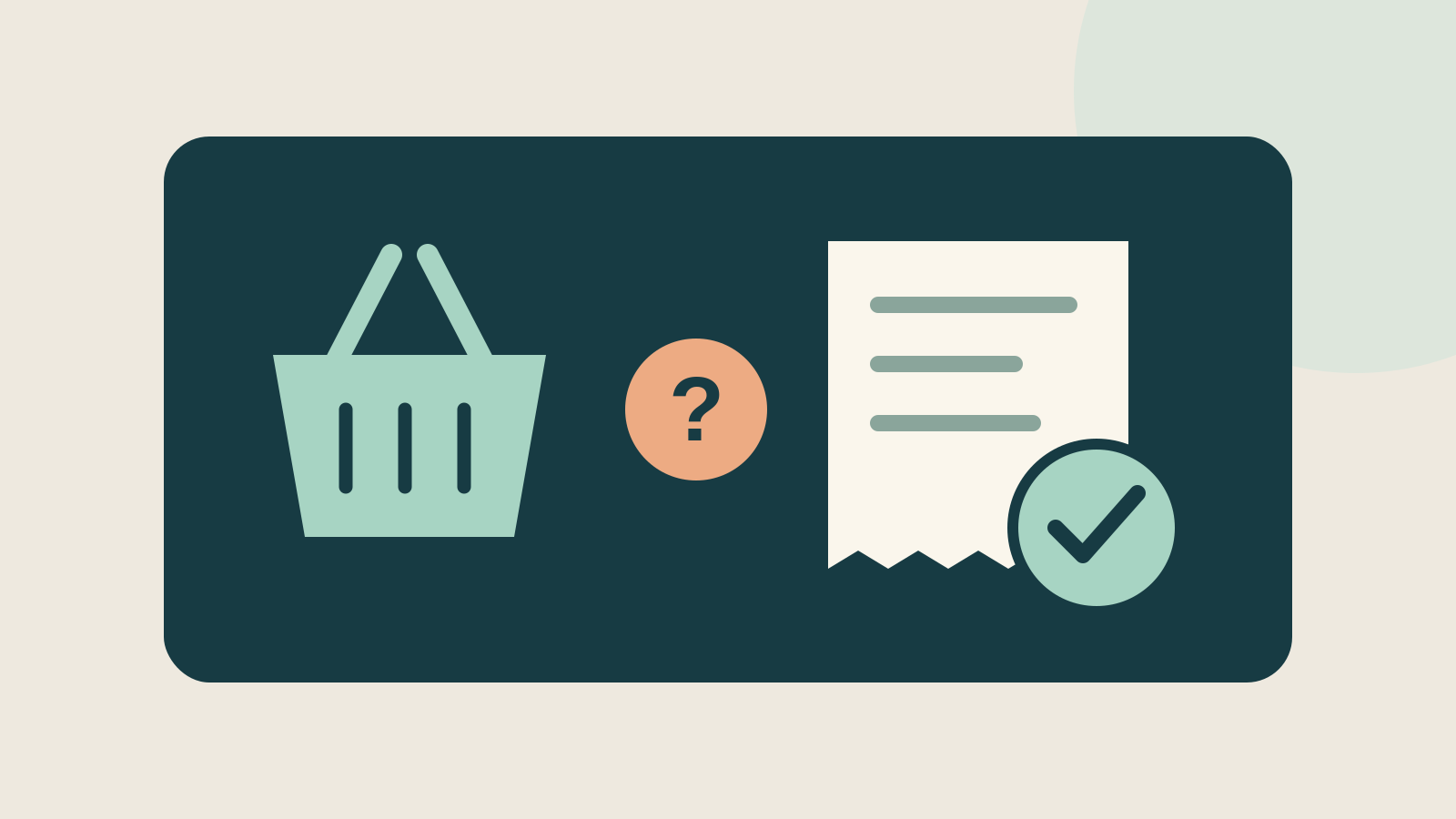
If you tried to buy something through Gemini and cannot find the order, check the merchant's confirmation before trying again. An empty Google order list can leave you uncertain about what happened; it is not enough, by itself, to decide that a second purchase is necessary.
Google announced new grocery Connected Apps for Albertsons, Safeway, Shaw's and Target on 20 November 2026, rolling out in the US through Search and Gemini. That announcement does not establish access for every account or delivery address.
Work out what actually completed
A shopping conversation can leave several different records. Our suggested first check is to identify the furthest stage you can verify, rather than treating every confirmation screen as a receipt.
| What you have | What to check next |
|---|---|
| A product recommendation or saved basket | Whether you went through checkout for those exact items. |
| A message confirming account linking | Whether a separate purchase followed. Connecting a shop account is its own step. |
| A merchant order confirmation | Match the order number, items and delivery details to this attempt. |
For eligible products in the Gemini web app, Google's shopping instructions separate selecting Buy, reviewing the order and selecting Pay with GPay. They also describe a separate account-linking confirmation. The merchant sends purchase follow-ups.
Keep the records together: the shop name, approximate attempt time, items and any order number. This gives you something specific to compare or send to support, without asking a chatbot to reconstruct a purchase from an ambiguous conversation.
Check the merchant before repeating payment
Google's troubleshooting guidance for an order-not-found or general error starts with My orders, then the merchant's confirmation email. It warns that the email can take time to arrive. Finding the order means the purchase succeeded.
There is another visibility limit: Google's universal cart documentation says some merchants do not send order data back to Google. Their purchases will not appear in its My orders tab. Gemini chat can also lack access to cart contents or order updates.
Our recommendation is to open the merchant's own site or app and check the account used for checkout. Compare any matching order with the attempted purchase. Search the relevant email inbox, including spam, for the merchant and item. If those records disagree, ask the merchant to establish the order's status before submitting another payment.
Consider a hypothetical shopper who tries to buy a desk lamp, sees an error, and then finds no order in Google. A matching merchant confirmation changes the next action: follow that order, rather than buy another lamp. If there is no confirmation and the merchant cannot find an order, the shopper has a much clearer basis for deciding whether to start again.
Google says you can buy directly from the merchant if you cannot find the order and do not receive its confirmation email. It gives no fixed waiting period. If the status remains uncertain, ask the merchant to resolve it before paying again.
Removing a record is not cancelling a purchase
Deleting an entry from Google's My orders list does not stop delivery or produce a refund. Google directs cancellation, return and item problems to the merchant.
If you wanted to cancel, retain the order number and look for confirmation of that specific cancellation. A tidier history screen does not answer whether the shop is still preparing the parcel.
Australian shopping and the US rollout differ
Google's shopping help includes Australia. Its merchant checkout guidance covers eligible products in Australia, Canada and the US, with participating merchants. That is not blanket access to every retailer.
The new grocery announcement is US-specific, and the universal cart help currently labels that feature US-only. We found no Australian launch date for those four grocery connections. Use the controls actually offered for your account; a regional help page alone does not prove a particular checkout is enabled.
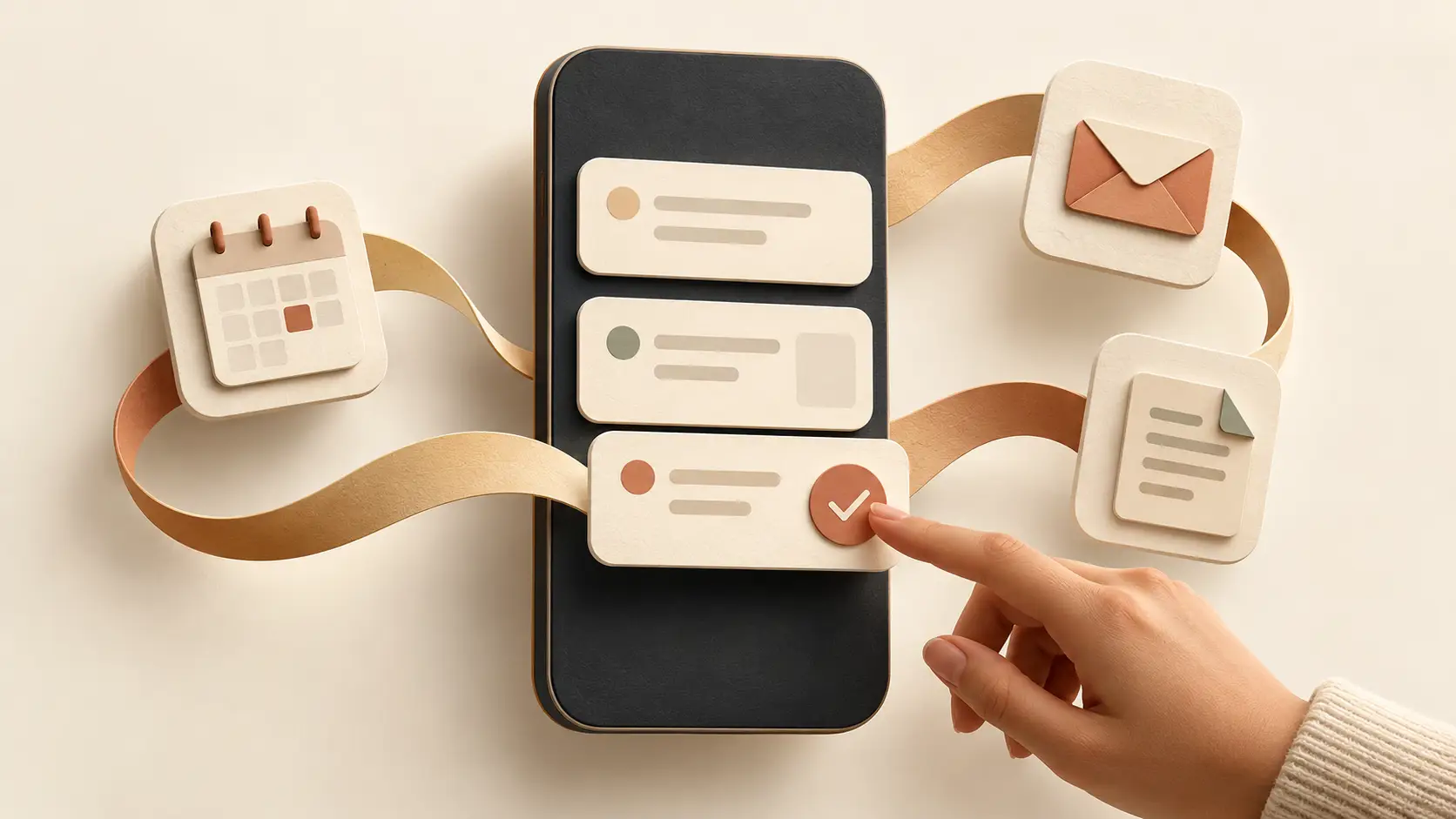
Editorial disclosure: AI assisted research and drafting, followed by a separate editorial revision against Google documentation checked on 23 November 2026. No account, checkout, payment or cancellation was tested. The decision table and hypothetical example are editorial synthesis. No sponsorship or affiliate links. The cover is an original conceptual illustration, not a Gemini screenshot.