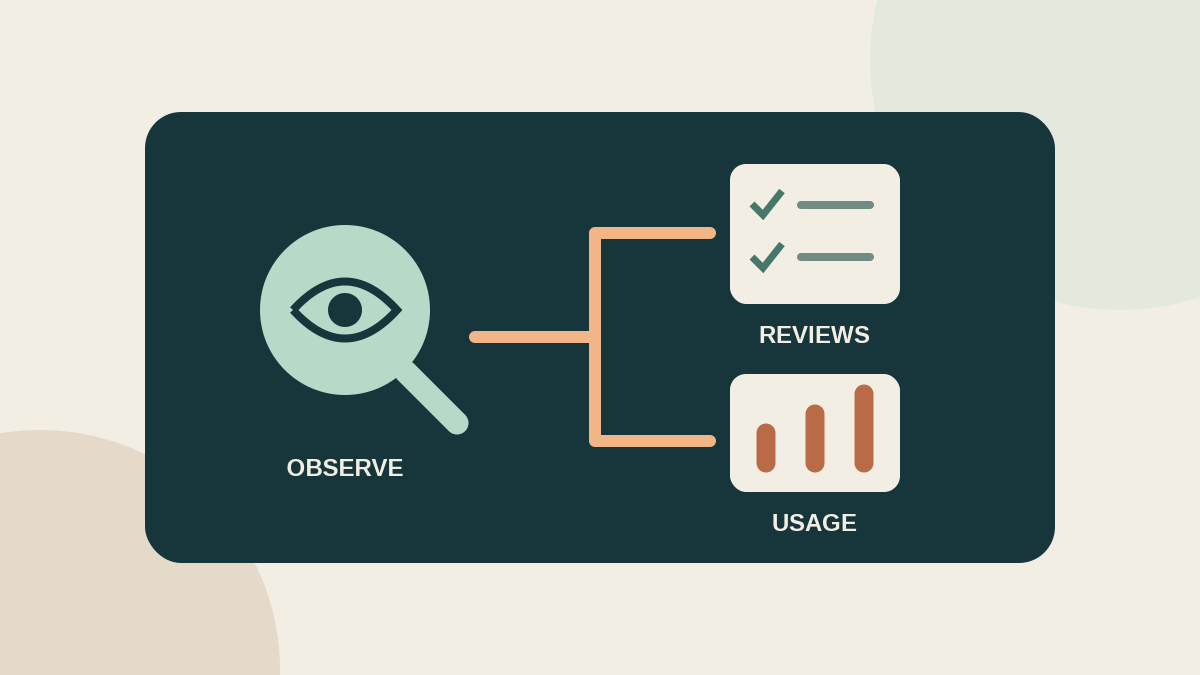
Before adding a Claude Approvals policy to a repository, record how its reviews run today. Observe mode previews approval decisions while other parts of the workflow can still change. It can change automatic review coverage, and the model work it starts can cost money.
Anthropic announced Claude Ship on 23 November 2026. Code Review is generally available; PR Steward and Claude Approvals are in public beta. Start by trying Approvals alongside the review process your team already uses.
Separate the three things you are observing
The word “observe” describes how the approval policy is evaluated. Review services and billing need their own checks. Use this distinction when planning the pilot:
| Part of the workflow | What to establish |
|---|---|
| Approval decision | What the policy would ask for, compared with what your reviewers expect. |
| Review coverage | Which changes actually receive a Code Review after the policy is added. |
| Usage and cost | Which reviews or classifiers ran, and what your organisation was billed. |
According to the Approvals setup guide, an observe-mode check shows the proposed decision, does not post Claude's approval, and normally counts as passing. Keep mode: observe explicit: omitting the mode line defaults to enforcement. Keep your existing human review and test requirements during the trial. A passing observation is not evidence that a change has received the approval you intend to require later.
Keep automatic reviews in the policy
The Approvals overview documents the easily missed change: when all changed files fall under a policy, automatic Code Reviews normally stop unless a matching rule names claude/code_review. That applies in observe mode too.
Anthropic's setup examples offer two different treatments. An advisory reference keeps reviews following the Code Review settings. A policy that uses a passing review to change the approval requirement can instead start billed reviews on each push. Choose the behaviour you mean to evaluate; copying a policy is also choosing how reviews are triggered.
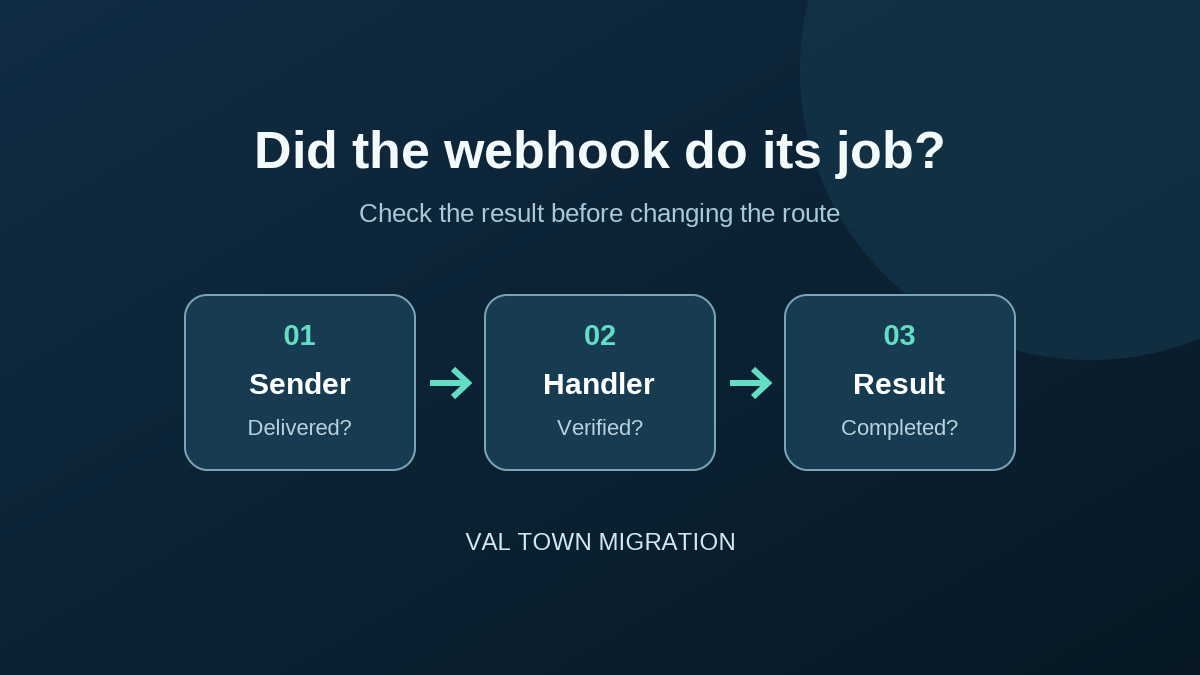
Consider a hypothetical team that gets one review when a pull request opens. It adds an observe policy on Monday. On Tuesday, reviews stop appearing on ordinary code changes. Before assuming an outage, compare the changed paths with the policy's rules and look for the review reference. This is a diagnostic example, not a test we ran.
Record the pilot before expanding it
Our suggested pilot record has four fields for each representative pull request: the changed paths and latest commit; the human decision expected; the Approvals title and explanation; and the Code Review runs observed. Keep a separate note of the repository's review frequency and spend settings.
Choose ordinary changes and at least one change your team expects another person to inspect. Compare the actual results with those expectations while the existing controls remain in place. Investigate a missing review separately from an unexpected approval decision: they are different failures.
When you need one explicit review, Anthropic documents @claude review as a new, top-level PR comment from someone with write, maintain or admin access. Look for the Claude Code Review check, not just an emoji reaction. The review instructions distinguish this one-off request from @claude review always, which can subscribe eligible PRs to later push-triggered reviews.
Put a budget around the observation
Code Review billing is separate from the usage included in a plan seat. Its cost varies with the change, review level and number of runs; there is no fixed per-review price. Set the service's monthly spend limit and inspect the repository's average cost after representative reviews.
Do not judge the pilot only by the number of pull requests. A series of fixes can produce several pushes. Record the runs you actually see, then estimate future usage from your own workload. Analytics estimates can differ from the invoice; the bill is the source for invoiced spend.
Decide how to finish the trial
Before enforcement, compare the policy with GitHub branch rules. A policy seat can be filled by the author, and Claude's approving review can satisfy a GitHub requirement for one approval. If you want another person to review each change, express that requirement explicitly. Auto-merge or a merge queue can otherwise complete a change without a person taking another action.
If you end the pilot, use the documented shutdown controls. Anthropic says disabling usage credits alone does not stop an enabled agent from running and billing. Turn off Approvals before the other agents, because its policy can initiate reviews even where Code Review is off. Disabling the organisation's agents also leaves local /ship and /steward commands available; those have separate controls.
Claude Ship is for eligible Team and Enterprise organisations using GitHub. Anthropic lists both Australia and the United States as supported regions, but regional support does not override plan or organisation restrictions. Check the current prerequisites and your account rather than assuming a personal Claude subscription includes these managed agents.
Editorial disclosure: AI assisted research and drafting, followed by a separate editorial revision against documentation checked on 24 November 2026. Techotick did not enable Claude Ship, run a paid review or test policy enforcement. The pilot record and scenario are editorial suggestions. No sponsorship or affiliate links. The cover is an original conceptual workflow diagram, not a Claude or GitHub screenshot.
Sources
- Introducing Claude Ship — Anthropic
- Set up Claude Approvals — Anthropic
- Claude Approvals overview — Anthropic
- Code Review costs and usage — Anthropic
- Read and request reviews — Anthropic
- Claude Approvals and GitHub rules — Anthropic
- Claude Ship setup and shutdown — Anthropic
- Supported regions — Anthropic